
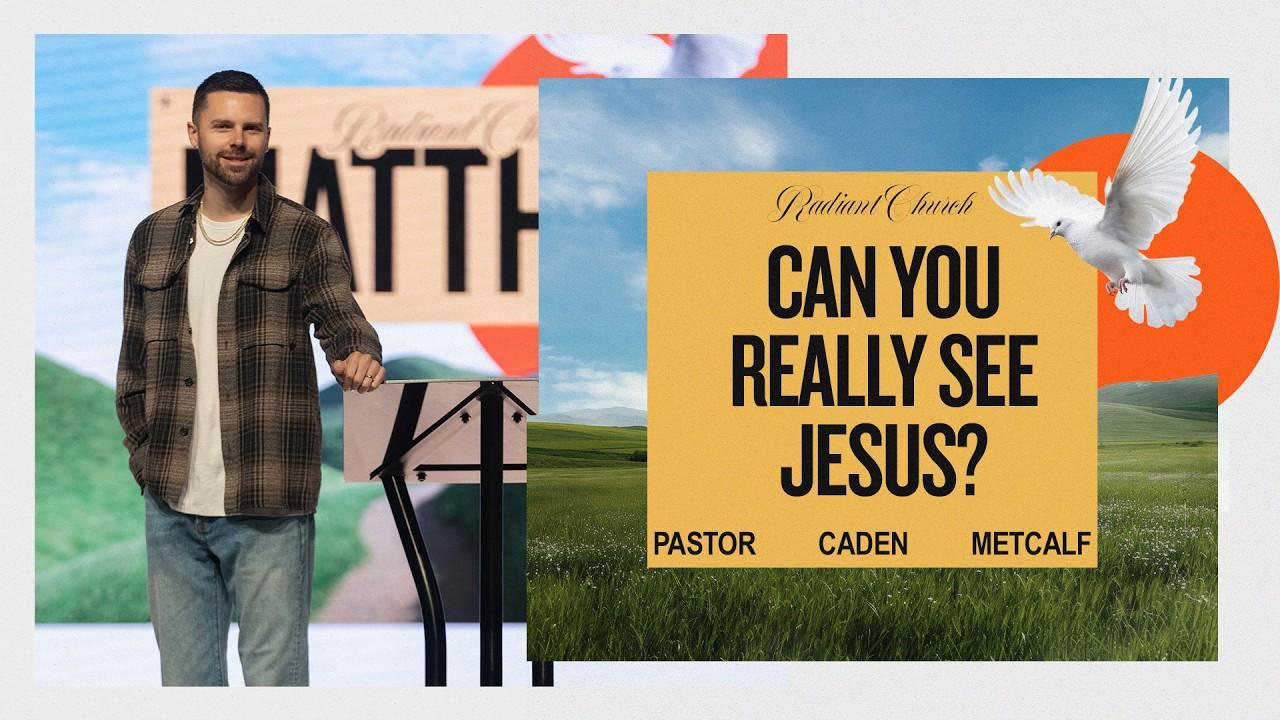
When Sight Isn’t the Same as Vision
In Matthew 20:29–34, Jesus is approaching the final stretch of His journey to Jerusalem. The cross is near. The mission is almost complete. And yet, in the middle of this movement toward sacrifice, Jesus stops for two blind men on the roadside.
This moment reveals something powerful: you can have physical sight and still lack spiritual vision. And you can be physically blind yet see Jesus more clearly than the crowds around you.
That tension is the heart of this passage.
The Scene: A Crowd, a Road, and Two Blind Men
As Jesus leaves Jericho, a large crowd follows Him. Crowds often represent momentum, noise, and distraction in the Gospels. Everyone is moving, talking, assuming, and interpreting Jesus through their own expectations.
But on the side of the road sit two blind men—forgotten, overlooked, and dependent on the mercy of others.
When they hear Jesus is passing by, they begin to cry out:
“Lord, Son of David, have mercy on us!”
The crowd immediately rebukes them and tells them to be quiet.
But they only get louder.
Faith That Refuses to Be Silenced
One of the clearest contrasts in this passage is between the crowd and the blind men:
- The crowd sees Jesus physically but misses His identity
- The blind men cannot see Jesus physically but recognize who He is spiritually
They call Him “Son of David,” a messianic title. This is not just desperation—it is revelation.
They are not guessing. They are declaring.
And that matters, because faith often sounds like persistence before it looks like clarity.
Jesus Stops for Interrupted Faith
One of the most striking lines in this passage is simple:
“Jesus stopped…”
In the middle of His mission toward Jerusalem, Jesus interrupts His own schedule.
He turns to them and asks:
“What do you want me to do for you?”
Their answer is simple:
“Lord, we want our sight.”
And Jesus responds with compassion.
He touches their eyes, and immediately they receive their sight and follow Him.
The Kingdom Reversal: Who Actually Sees?
This story flips expectations upside down.
In the world’s logic:
- The crowd represents understanding
- The blind represent limitation
In Jesus’ kingdom:
- The crowd is spiritually blind
- The blind men see Jesus clearly
This is one of Matthew’s repeated themes:
Spiritual sight is not about information—it’s about revelation.
What This Means for Us Today
1. Crowds can distract spiritual clarity
It’s possible to be surrounded by religious activity, opinions, and noise—and still miss what Jesus is doing.
2. Persistence is often what faith looks like in motion
The blind men refuse to be silenced. Faith sometimes looks like continued pursuit when circumstances resist it.
3. Jesus still stops for people who call on Him
This passage reveals something unchanging about Jesus: He responds to sincere, desperate, honest faith.
4. Healing leads to following
After receiving sight, they don’t walk away. They follow Him. Real encounters with Jesus redirect direction, not just circumstances.
Application: Do You See Jesus Clearly?
This passage raises a direct question:
Are you seeing Jesus clearly—or just seeing the crowd around Him?
It’s possible to:
- Be near church but miss Jesus
- Know Bible stories but miss revelation
- Be active spiritually but lack spiritual vision
The invitation is simple:
“Lord, open my eyes.”
Conclusion: When Jesus Opens Eyes, He Opens Lives
Matthew 20 shows more than a miracle—it shows a revelation of who Jesus is.
He is not just passing through.
He is not too busy for the overlooked.
He is not distracted by crowds.
He is the Messiah who stops for those who call on Him in faith.
And when He opens eyes, He doesn’t just change what people see—He changes who they follow.
5 Group Discussion Questions
- What stands out to you more: the crowd or the blind men, and why?
- Why do you think Jesus asked, “What do you want me to do for you?”
- What are some modern “crowds” that can drown out spiritual clarity today?
- Where do you need persistence in faith right now instead of silence or discouragement?
- What would it look like for you personally to “follow Jesus” after experiencing Him in a deeper way?